


Know What Happens Before Work Begins
Our House Painting Process
Our House Painting Process shows how LocalPRO House Painters helps homeowners move from a project request to a written scope, surface-specific preparation, protected application and final walkthrough for residential painting work.
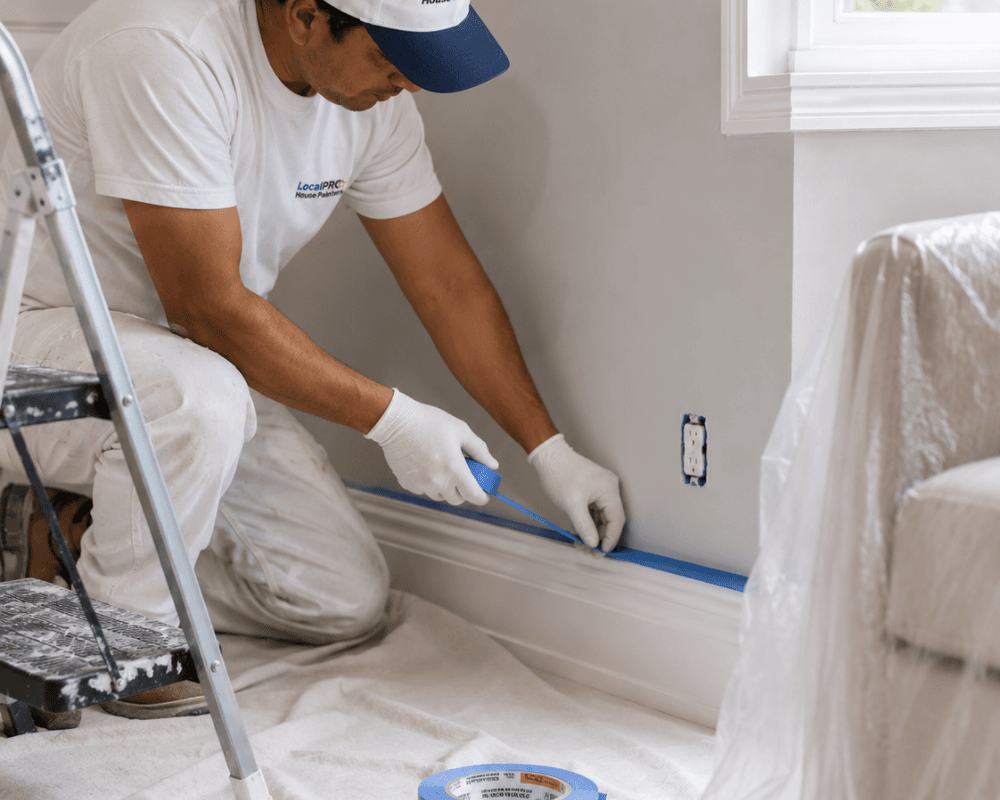
Organized prep, protected spaces, clear communication, and a cleaner finish.
Before Work Begins
What Happens Before Painting Begins
Before painting begins, we review the request, inspect relevant surfaces, define the written scope and discuss scheduling, access and home protection. These steps help the homeowner understand what is included, what remains a separate condition and what must be decided before preparation or application starts.

Clear Scope

Protected Home
We respect your space with thorough protection and careful daily practices.

Prepared Surfaces
Preparation is planned around the actual surface condition and included work.

Final Review
We walk the entire project with you to ensure every detail meets our standards.
Professional Standards, Step by Step
Our House Painting Process in 11 Steps
Our house painting process uses eleven compact checkpoints so each input leads to a visible decision or output. The homeowner can follow the request, review, assessment, scope, schedule, protection, preparation, application, cleanup, walkthrough and documentation without relying on a vague promise that the work will simply be handled.
-
1
Initial Request
-
2
Project Review
We discuss your project, answer questions, and align on priorities.
-
3
Surface Evaluation
We inspect surfaces and conditions to determine prep, products, and approach.
-
4
Clear Estimate
You receive a written estimate with scope, timeline, and product recommendations.
-
5
Scheduling
We confirm the schedule, order materials, and prepare for a smooth start.
-
6
Home Protection
We protect landscaping, hardscapes, floors, fixtures, and furnishings.
-
7
Surface Preparation
We repair, sand, caulk, prime, and prepare all surfaces for optimal adhesion.
-
8
Painting Application
The confirmed coating system is applied according to the written scope and surface requirements.
-
9
Cleanup
We clean as we go and complete a final cleanup at project completion.
-
10
Final Walkthrough
We walk the project with you to ensure every detail meets our standards.
-
11
Warranty & Documentation
We review applicable warranty information, care guidance and records tied to the completed scope.
Care Around Your Home
How We Protect and Prepare the Home
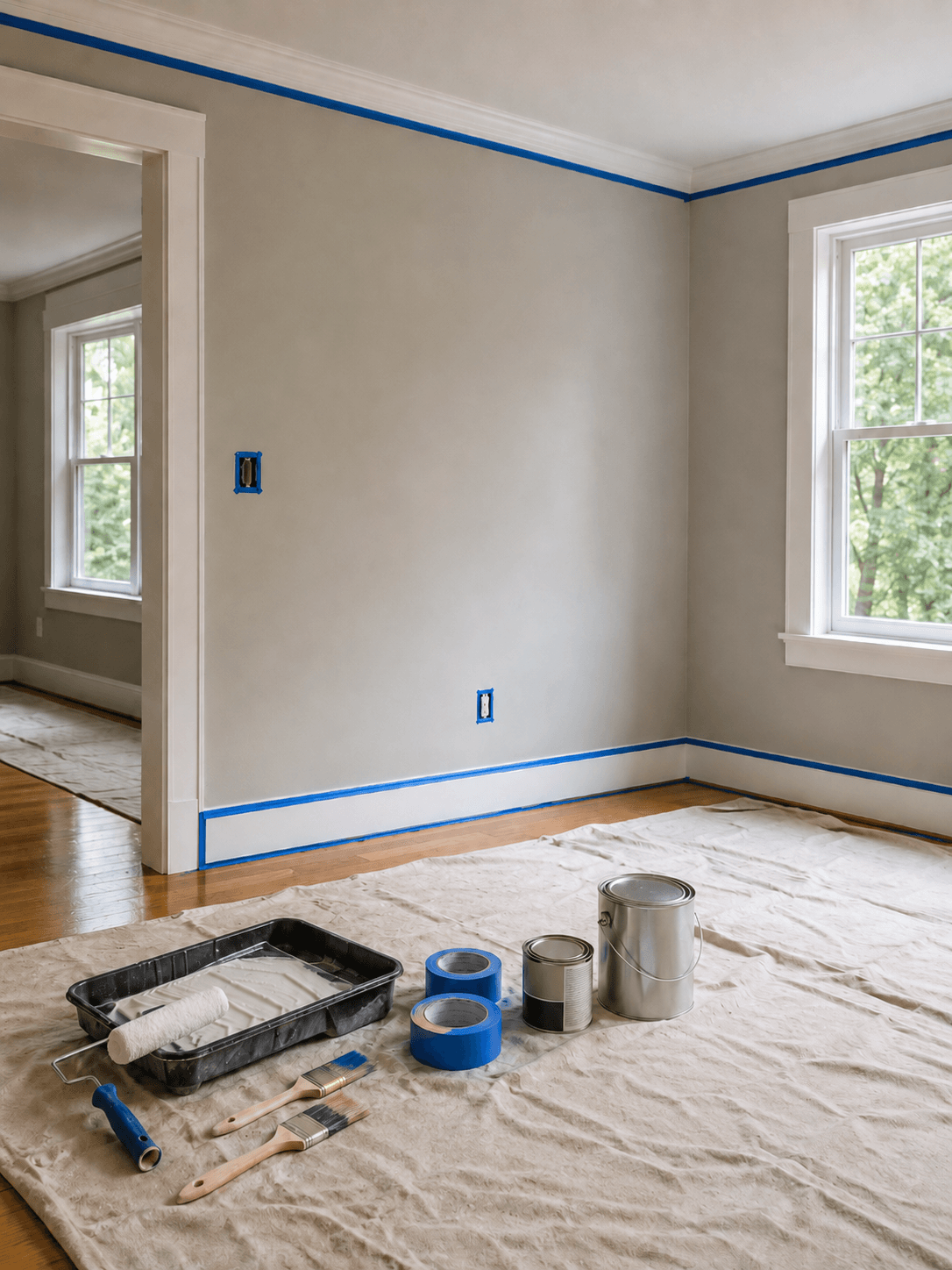
We protect and prepare the home by defining work zones, adjacent surfaces, coverings, access and the condition-specific preparation in the written scope. Cleaning, scraping, sanding, deglossing, patching, caulking or primer are included only when appropriate to the surface and approved work.

Surface Preparation
Repairing and sanding for a smooth finish.

Caulking & Sealing
Sealing gaps and vulnerable joints.

Drop Cloths & Coverings
Floor and furniture protection.

Floor & Fixture Protection
Protected walkways and built-ins.

Landscape Protection
Plants and gardens protected.
Dust Control Practices
Cleaner workflows inside your home.

Daily Cleanup
Organized sites at the end of each day.

Site Security & Safety
Safe, respectful crews and clean work zones.
Interior work
How the Painting Process Changes Indoors
The interior painting process places greater emphasis on occupied rooms, furniture, floors, fixtures, ventilation, dust control and daily access. We review those conditions before scheduling so the homeowner knows what must be moved, covered or temporarily unavailable while walls, ceilings, trim or doors are prepared and painted.
Exterior work
How the Painting Process Changes Outside
The exterior painting process places greater emphasis on exposure, access, landscaping, windows, existing coating failure and suitable application conditions. We inspect siding and details before planning preparation, because weather timing and coating compatibility depend on the actual surface rather than a universal seasonal rule.
Clear Updates During the Project
How We Communicate During the Project
The written scope should define how project stages, access needs and newly visible conditions are communicated during the work. If a condition could change the approved scope, the project documents should identify the explanation and authorization required before any added work proceeds.
If you expect to be away, discuss access, approvals and handoff arrangements before scheduling.
- Dedicated project manager
- Regular updates and check-ins
- Proactive communication
- Easy access by phone or email

Before the Final Handoff
What We Review Before Handoff
The written scope should define what is reviewed before handoff, including completed surfaces, details, work-area condition, documented limitations and applicable care information. This gives the homeowner a clear comparison point between the approved painting project and what is examined during the final walkthrough.
- Every surface inspected with you
- Touch-ups completed
- Clean, orderly work areas
- Helpful care and maintenance tips
- The final walkthrough reviews the agreed written scope