


LOCALPRO · HOMEOWNER ARTICLES
Repainting Old Plaster Walls
Repainting old plaster walls can refresh a sound surface, but loose plaster, recurring cracks and active dampness need assessment before painting. Separate the desired color change from repair needs and the texture you expect to retain. Ask the estimate to identify surface corrections explicitly, rather than assuming that “preparation included” means every wall will become perfectly flat.
If your Litchfield County home has older plaster, bring observations rather than a diagnosis. Where is the concern? Has it changed? Was there a leak or an earlier repair? Those details are more useful than calling the whole room “bad plaster.”
Published by LocalPRO House Painters
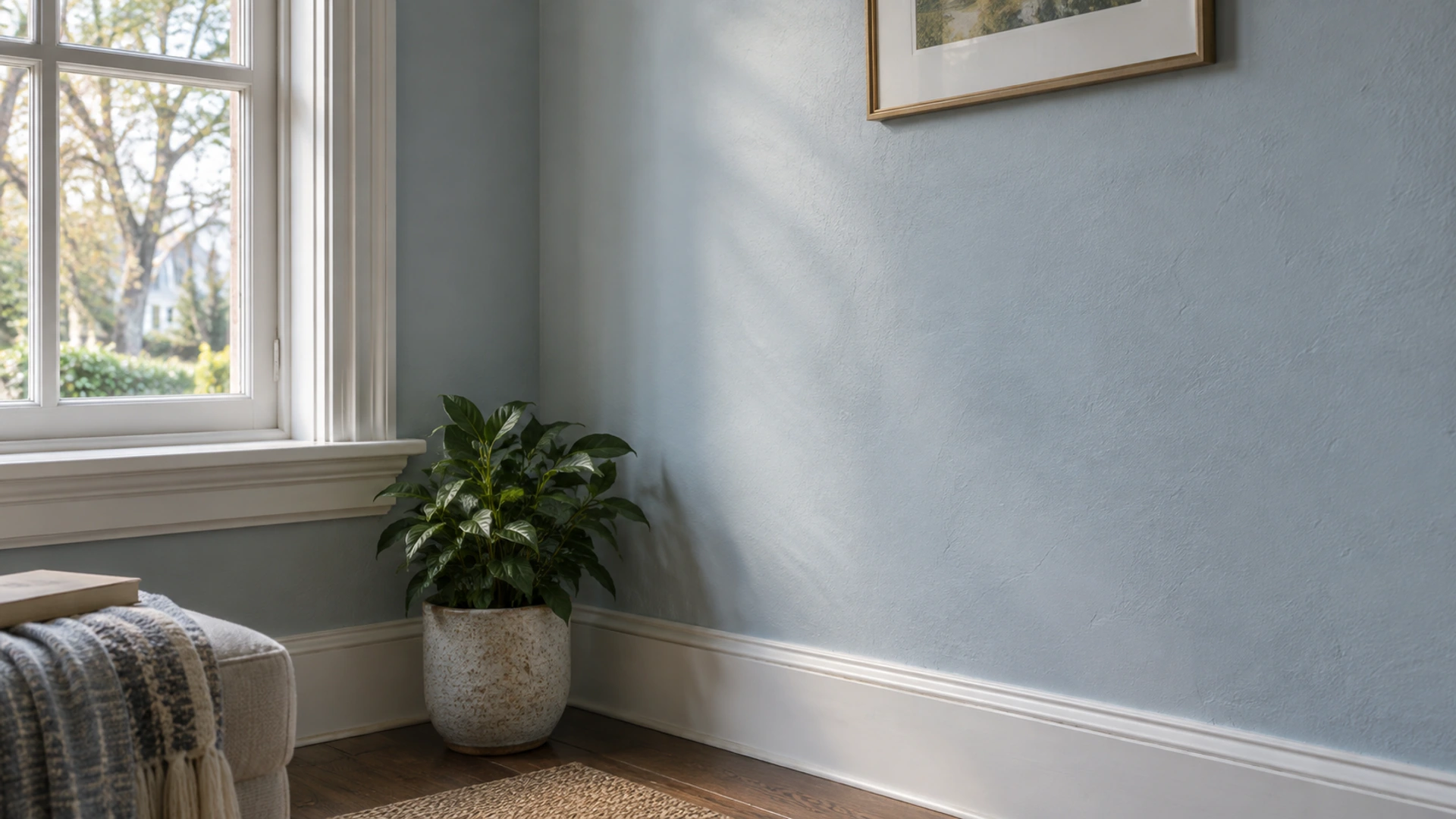
Separate finish work from repair
Separate finish work from repair before comparing painting estimates. A new color, a local surface correction and a detached area of plaster are not interchangeable tasks.
The National Park Service’s plaster-preservation guidance distinguishes several causes of deterioration and supports retaining repairable historic plaster. It also explains why skilled plaster repair may be needed. Age alone does not establish whether a particular wall should be removed or retained.
| What you notice | What to ask next | What not to assume |
|---|---|---|
| A color you dislike, with no known damage | Is the surface suitable for the proposed coating? | That a color change includes leveling the entire wall |
| An isolated old patch or surface irregularity | What correction is included and what texture will remain? | That “prep included” defines a uniform finish |
| A crack that returns or changes | Who should investigate it before decoration? | That another paint layer resolves the cause |
| Dampness, staining or repeated deterioration | What has been done to identify and resolve the source? | That a stain-blocking product repairs a leak |
| Bulging, loose or falling material | Who can assess the area safely? | That it is ready for painting |
These observations help route the conversation; they are not a diagnostic test. Keep people away from loose or falling material and arrange a qualified assessment. Do not press, tap or remove suspect material to complete a checklist.
Record the history without disturbing the surface
Record the history in plain language: “mark returned after rain,” “repair completed last winter,” or “date first noticed unknown.” Photograph the wall from a safe position and include a wider view showing where the concern sits in the room.
Keep previous repair information if available. A photograph cannot establish the plaster composition, attachment, moisture source or suitability for a new coating. Do not ask a remote color consultation to answer those questions.
Before disturbing coatings in pre-1978 housing, discuss applicable lead-safe precautions. The EPA’s consumer guidance explains the concern; a house’s age does not confirm whether lead is present on a particular wall.
Agree on the finish standard after the repair decision
Agree on the finish standard once the necessary assessment or repair is defined. Ask whether the intention is to retain the wall’s existing character, improve selected areas or commission more extensive surface work.
“Smooth” can mean different things to different people. Identify the areas being corrected, the viewing conditions for review and any texture or contours expected to remain. Request a representative sample where useful, rather than treating a photograph of a different home as a finish specification.
Keep the repair handoff explicit: who performs it, who confirms readiness for the selected coating, and how changes are documented. Do not schedule painting over an unresolved condition merely to preserve a date.
Will a low-sheen finish repair uneven plaster?
No. Finish selection is an appearance decision, not a repair method. Review surface expectations separately from color and sheen.
Can photographs replace an on-site assessment?
A photograph can start a painting discussion, not establish a restoration scope. Confirm whether separate specialist assessment or repair is needed before defining the painting work.
Start with a clear description of the walls
For interior painting, tell LocalPRO House Painters what is known, what remains uncertain and which surfaces you want painted. Request a scope review for your Litchfield County home without committing to a repair method before the condition is understood.