


LocalPRO Home Color Helper
A House Paint Color Helper Built Around Your Home
Use our House Paint Color Helper to compare colors, finishes and paint systems, then confirm finalists with physical samples at home.
Serving Connecticut & Westchester County
- Compare finishes
- Explore color families
- Build your shortlist
Guidance covers

 Farrow & Ball
01 / 06 — Free Color Tool
Compare House Paint Colors Side by Side
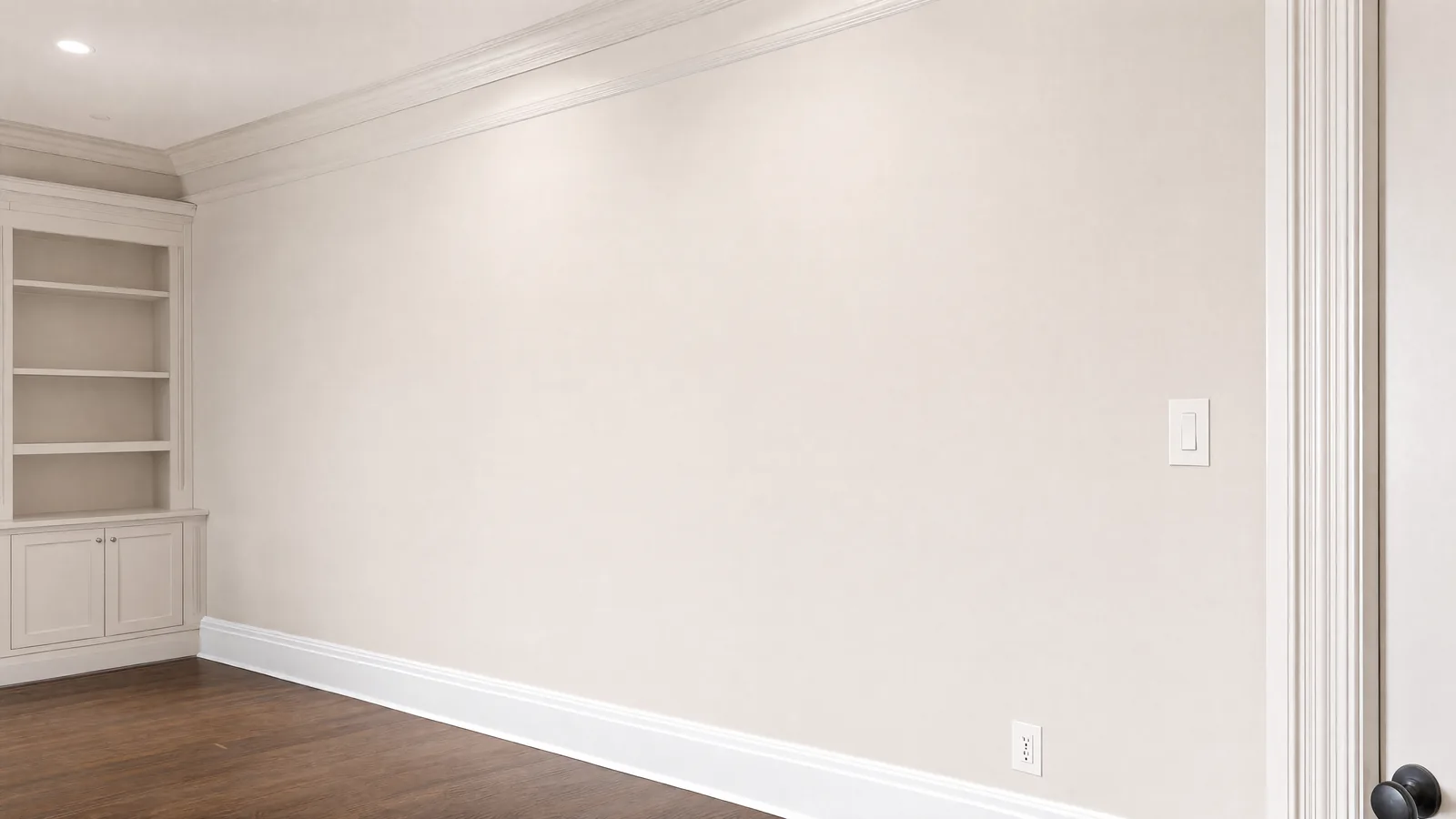
Compare house paint colors side by side on the same photographed surface and light so you can judge direction more clearly. Screen color is illustrative; confirm finalists with physical samples in the actual space.
- Brand
- Surface
- Colors
- Compare
- Same surface, same light. Both colors sit on one photographed wall, siding, cabinet run or deck — so you are comparing the color, not the photo.
- The code travels with you. Every color keeps its brand and code on screen, ready for the paint counter.
Free to use · no email required · takes about a minute
Which paint brand?
Color names and codes belong to a brand. Pick one so the two colors you compare come from the same fan deck — and the same store.
Where are you painting?
Pick the surface closest to your project.
Color comparison
 A…
B…
A…
B…
Loading comparison…
Use the arrow keys to move the divider between the A and B colors. Hold Shift for larger steps.
Side A is selected. Pick a color below to fill it.
Popular colors
Scroll for more colors
Farrow & Ball — Interior colors
Farrow & Ball — Exterior colors
Farrow & Ball — Cabinets colors
Benjamin Moore — Deck colors
Sherwin-Williams — Interior colors
Sherwin-Williams — Exterior colors
Sherwin-Williams — Cabinets colors
Sherwin-Williams — Deck colors
Benjamin Moore — Interior colors
Benjamin Moore — Exterior colors
Benjamin Moore — Cabinets colors
One fixed reference scene per surface. Screen color is illustrative — review a physical sample in your own light before you buy. Product and finish availability varies by color and manufacturer. See Benjamin Moore’s official color-sampling guidance.
02 / 06 — Understand the System
Compare Paint Finishes for Walls, Exteriors, Cabinets and Decks
Compare paint finishes by how they change reflection, visible texture and how each surface reads as light moves across it. Choose two finishes within the same application, then confirm the actual product, substrate requirements and expected use for your home.
Interior finish options
ALeft
Flat
Low-reflection wall appearance under the same daylight.
Eggshell
Soft, subtle wall sheen under the same daylight.
Satin
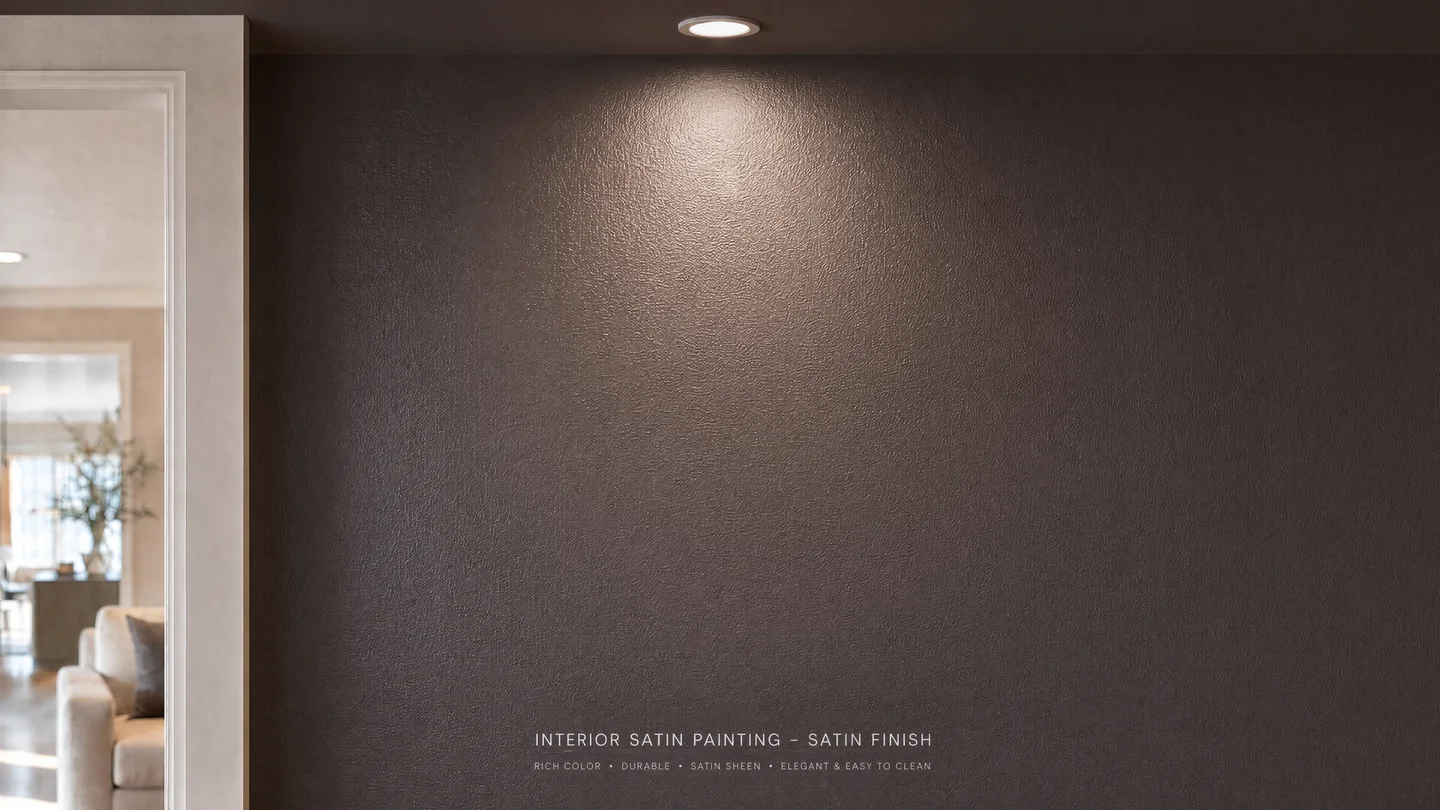
Moderate wall sheen with a broader reflected highlight.
Semi-Gloss
Higher wall sheen with a brighter, more defined reflected highlight.
BRight
Flat
Low-reflection wall appearance under the same daylight.
Eggshell
Soft, subtle wall sheen under the same daylight.
Satin
Moderate wall sheen with a broader reflected highlight.
Semi-Gloss
Higher wall sheen with a brighter, more defined reflected highlight.
Exterior finish options
ALeft
Oil Stain
A penetrating stain that adds color while allowing the wood grain and texture to remain visible.
Solid Stain
Opaque color that conceals most wood grain while surface texture may remain visible, depending on the product and substrate.
Flat
Low reflection can make surface imperfections less noticeable.
Low Lustre
A soft, lower-reflection sheen used on exterior siding and trim.
Soft Gloss
Brighter reflection makes surface shape, texture and irregularities easier to see.
BRight
Oil Stain
A penetrating stain that adds color while allowing the wood grain and texture to remain visible.
Solid Stain
Opaque color that conceals most wood grain while surface texture may remain visible, depending on the product and substrate.
Flat
Low reflection can make surface imperfections less noticeable.
Low Lustre
A soft, lower-reflection sheen used on exterior siding and trim.
Soft Gloss
Brighter reflection makes surface shape, texture and irregularities easier to see.
Cabinet finish options
ALeft
Clear Natural
A clear protective coat that keeps the wood grain visible. The product can still shift the wood’s warmth, depth or sheen.
Wood Stain
Color added while the grain remains visible; the final effect depends on wood species, preparation and the stain system.
Painted Satin
Opaque painted color with a soft, even sheen. Grain and surface texture may still telegraph unless preparation and the coating system are designed to reduce them.
Painted Semi-Gloss
Higher sheen creates a brighter highlight and can make dents or uneven doors easier to notice.
BRight
Clear Natural
A clear protective coat that keeps the wood grain visible. The product can still shift the wood’s warmth, depth or sheen.
Wood Stain
Color added while the grain remains visible; the final effect depends on wood species, preparation and the stain system.
Painted Satin
Opaque painted color with a soft, even sheen. Grain and surface texture may still telegraph unless preparation and the coating system are designed to reduce them.
Painted Semi-Gloss
Higher sheen creates a brighter highlight and can make dents or uneven doors easier to notice.
Deck stain opacity options
ALeft
Translucent Stain
Light natural stain with the deck grain most visible.
Semi-Transparent Stain
Warm stain color with the deck grain clearly visible.
Semi-Solid Stain
Stronger warm-brown color with part of the deck grain remaining visible.
Solid Stain
Full warm-taupe color build with the deck grain mostly concealed.
BRight
Translucent Stain
Light natural stain with the deck grain most visible.
Semi-Transparent Stain
Warm stain color with the deck grain clearly visible.
Semi-Solid Stain
Stronger warm-brown color with part of the deck grain remaining visible.
Solid Stain
Full warm-taupe color build with the deck grain mostly concealed.
Interior finish comparison
 A · Flat
B · Satin
A · Flat
B · Satin
Use Left and Right Arrow keys to move the divider. Home shows B. End shows A.
Interior · fixed reference scene
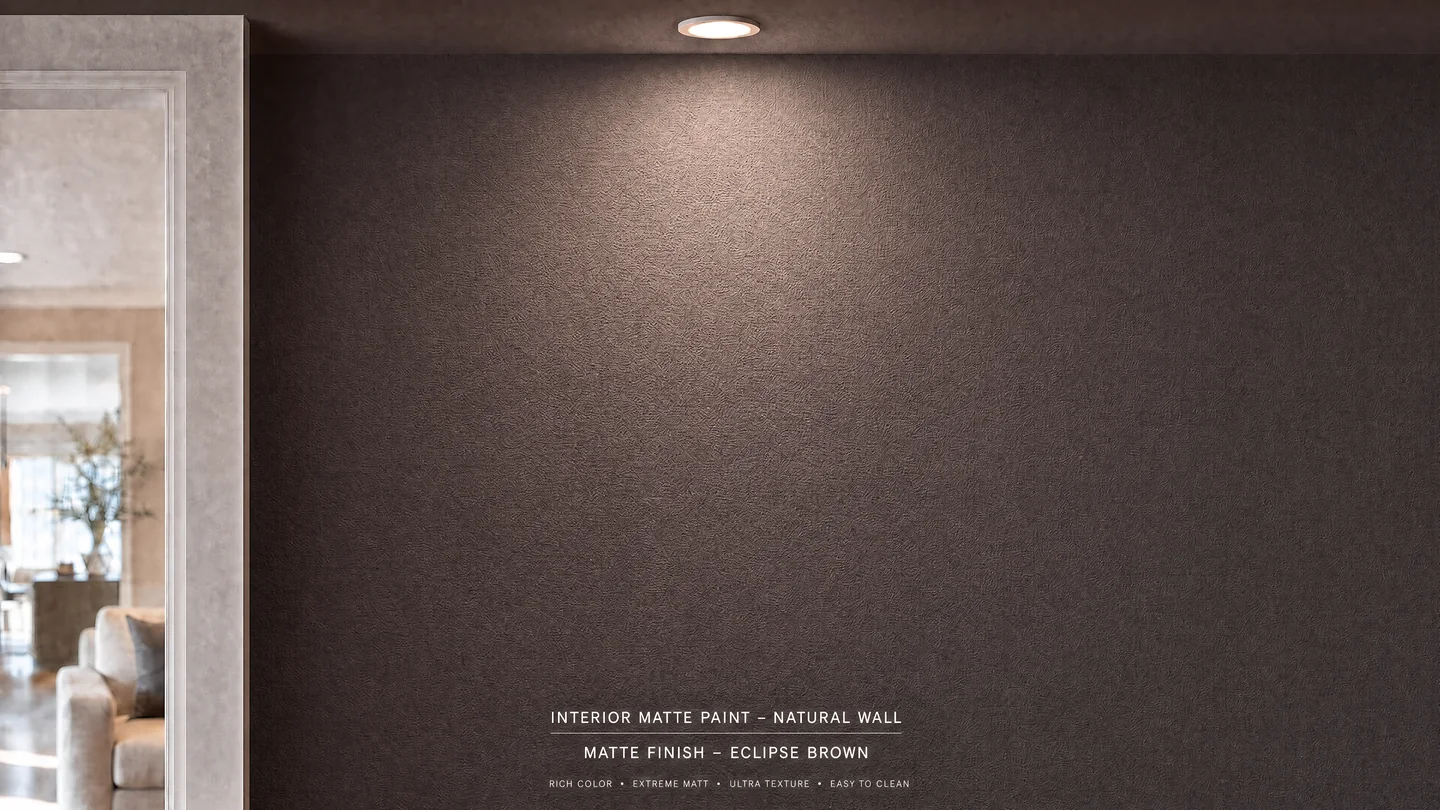
A · FlatCalm, low-reflection wall appearance.
B · SatinModerate reflection with a broader highlight.
This is a fixed reference scene. Screen representation is illustrative; actual sheen, coverage and visible grain vary by product, substrate or surface condition, and light. Review the official Benjamin Moore finish guide and Sherwin-Williams sheen guide for manufacturer definitions.
03 / 06 — Compare Paint Systems
Compare Paint Systems by Color, Finish and Surface
Compare paint systems by color, finish and surface with LocalPRO House Painters to see how Benjamin Moore, Sherwin-Williams and Farrow & Ball address the same homeowner decisions. There is no universal winner; the right system depends on the surface, condition, selected color, finish and buying route.
Neutral by design: equal criteria, equal space and no universal winner. The right path depends on the surface, condition, finish and buying route for your project.
Three paint systems.
Focus on what matters to you
This changes emphasis, never the facts.
Broad architectural color and coating ecosystem
Wide project ecosystem with store-based access
Farrow & Ball
Curated color palette with named finish system
Color system
How wide is the starting field?
Broad, collection-led exploration
More than 3,500 colors, organized through collections including Affinity®, Historical, Color Preview® and Off White.
For your decision: broad choice rewards a disciplined shortlist by room, light and fixed materials.
Multiple curated entry points
Official collections include Top 50, Finest Whites & Neutrals, Designer Color Collection, Living Well, Historic and exterior-style palettes.
For your decision: start with the collection closest to the room or project, then confirm product compatibility.
Farrow & Ball
Curated Signature plus Archive
The official sampling path describes a 132-shade Signature palette, with Archive colors available through a separate catalog path.
For your decision: a tighter starting palette can simplify the first edit; Signature and Archive availability may differ.
Finish language
What names will you encounter?
Familiar sheen families, product-specific names
Categories include Flat, Matte or Ulti-Matte, Eggshell, Low Lustre, Pearl or Satin, Semi-Gloss or Soft Gloss, and Gloss or High-Gloss.
Confirm: the exact finish available in the selected interior or exterior product.
Core sheens plus supported variations
Core categories include Flat, Eg-Shel, Semi-Gloss and Gloss, with Matte, Velvet, Satin, Low-Lustre, Pearl and other finishes in supported products.
Confirm: color, product, sheen and surface as one system rather than separate choices.
Farrow & Ball
Named finishes tied to use
The U.S. catalog lists Dead Flat, Modern Emulsion, Estate Emulsion, Flat Eggshell, Modern Eggshell, Full Gloss, Exterior Eggshell and Exterior Masonry.
Confirm: the named finish supports the intended surface and the selected color.
Sample path
How can you test before committing?
Chips, liquid samples and movable samples
Official options include in-store chips, 8 oz brush-on Color Samples, Peel & Stick samples, fan decks and digital tools.
Use well: judge a suitable physical sample in the room’s morning, afternoon and evening light.
Chips, peel-and-stick and wet samples
Official options include color chips, 8-by-8-inch peel-and-stick samples for eligible colors and quart-sized Color To Go samples.
Use well: verify eligibility, then test in the intended conditions rather than relying on the screen alone.
Farrow & Ball
Sample pots and pre-painted swatches
Signature colors can use 100 ml sample pots or paper swatches; Archive colors follow the paper-swatch path.
Use well: note that sample pots use Estate Emulsion and observe the color as daylight changes.
Exterior & deck
Is there a dedicated outdoor-wood path?
Dedicated deck and siding stain products
The current U.S. catalog includes Woodluxe® exterior stain and sealer options, including a solid deck-and-siding path.
For your decision: substrate, prior coating, opacity and preparation still determine the suitable system.
Dedicated SuperDeck® system
The official deck path includes clear, transparent, semi-transparent, semi-solid and solid stain categories, with deck preparation resources.
For your decision: choose opacity only after assessing existing coating, wood condition and desired grain visibility.
Farrow & Ball
Exterior finishes, with deck treated separately
The U.S. finish catalog lists Exterior Eggshell and Exterior Masonry. This LocalPRO House Painters guide does not map a dedicated Farrow & Ball deck-stain path.
For your decision: do not assume an exterior finish is suitable for a horizontal walking surface; confirm a dedicated system.
Buying path
Where do selection and fulfillment meet?
Independent retailer network
Products are sold through locally owned paint, decorating and hardware retailers; eligible online orders follow the available retailer or shipping path.
Confirm locally: product, base, finish, quantity, tinting and pickup or delivery timing.
Company-store path
Products can be sourced through Sherwin-Williams retail stores and the official store-search system.
Confirm locally: stock, product eligibility, quantity and fulfillment with the selected store.
Farrow & Ball
Website, showroom or stockist
Samples can be ordered through the U.S. website or purchased through a Farrow & Ball showroom or stockist.
Confirm locally: selected color, finish, quantity, lead time and fulfillment before the project schedule is fixed.
Broad architectural choice with independent-retailer sourcing and a dedicated exterior-wood path.
Wide project ecosystem with company-store access and a dedicated deck system.
Curated color and named finishes, with exterior and deck suitability requiring separate confirmation.
The useful question is not “Which brand wins?” It is “Which color, product, finish and sourcing path fit this exact surface?” LocalPRO House Painters can carry that complete question into the estimate.
Brand offerings, sample formats, finish names and local availability can change. Screen color is illustrative. Confirm the selected color, product, finish, substrate requirements and current availability with the manufacturer or local retailer before purchase. LocalPRO House Painters is not affiliated with or sponsored by the manufacturers shown.
Official manufacturer sources and verification notes
- Benjamin MooreColor and samples · Finishes · Product catalog
- Sherwin-WilliamsColor collections · Sample options · Sheen guide · Deck system guide
- Farrow & BallU.S. colors and finishes · Sample paths · Showrooms and stockists
04 / 06 — Build a Complete Scope
Build a Complete Painting Scope
A complete painting scope at LocalPRO House Painters connects color and product choices to the surfaces, conditions, preparation, protection, finish, responsibilities and records that define the work.


Scope and Surface Decisions
Define the rooms, elevations and components included. Record condition, repairs, cleaning, sanding, caulking and primer needs; resolve moisture or unstable material before coating.


Protection and Project Logistics
Clarify access, occupied rooms, floors, furniture, landscaping, pets, sequencing, cleanup and communication so the home remains protected, usable and well coordinated throughout the work.


Finish, Handoff and Records
Document product direction, color, sheen, approved changes, walkthrough items, care information and warranty records so the homeowner has a clear record for care and future touch-ups.

Local Knowledge. Professional Standards. Your Home.
Plan Your Painting Estimate Around Local Conditions
A painting estimate planned around your home and local conditions begins with the address, surfaces, visible conditions and priorities. LocalPRO House Painters uses that context to define a project-specific scope.
Local Context Surface Conditions Clear Scope
05 / 06 — Questions Homeowners Ask
House Paint Color FAQs From LocalPRO House Painters
Our house paint color FAQs answer common homeowner questions about undertones, lighting, paint finishes, physical samples, exterior exposure and preparing a paint color shortlist.
How do I choose a paint color that works in my home?
Start with what cannot change. Fixed materials such as flooring, stone, cabinetry and countertops set the undertone the paint has to live beside, and the light each room receives changes how that undertone reads through the day. Narrow to a short list first, then confirm it against those fixed elements rather than choosing a color in isolation.
Should I choose the paint color or the finish first?
Begin with the color direction because it establishes the relationship with the room, exterior materials and natural light. Then choose the finish for the surface, expected use and amount of reflection you want. Confirm the actual color-and-finish pairing together: sheen can make one color read lighter, deeper or more reflective than the same color in another finish.
What is an undertone, and how can I compare it accurately?
An undertone is the quieter color bias that appears beside other materials or as the light changes. Two whites, grays or beiges can look similar alone and very different beside wood, stone or tile. Compare candidates next to the fixed material they must coordinate with, keep the samples under the same light and remove unrelated color chips from view.
Why does a color look different in my home than on screen or in the store?
Screens emit light and rooms reflect it, so the same color rarely reads the same in both. Store lighting, daylight direction, wall texture and nearby finishes all shift the result. Any color you shortlist online should be reviewed as a physical sample, in the actual room, at more than one time of day.
What is the difference between flat, eggshell, satin and semi-gloss?
They differ in how much light the surface reflects. Flat reflects the least and is more forgiving of small imperfections; eggshell adds a soft sheen; satin reflects more and reads slightly brighter; semi-gloss creates a more defined highlight. The same color can read differently across these finishes, so confirm color and finish together.
Do interior walls, exteriors, cabinets and decks need different products?
Yes. Each surface faces different exposure, handling and movement, so the coating systems differ. Interior walls prioritize appearance and washability, exteriors prioritize weather and moisture performance, cabinets prioritize a hard, handled finish, and decks prioritize foot traffic and water. Product availability also varies by surface within the same color.
How do surface condition, repairs and primer affect the final color?
Color is only the visible layer of a coating system. Uneven porosity, patched areas, stains, failing coatings and incompatible substrates can change absorption, sheen and uniformity. Preparation and primer should be specified for the actual condition of each surface so the approved color is evaluated on a stable, consistent base.
What is the difference between paint and stain on exterior wood and decks?
It is a question of how much wood you still want to see. Paint and solid-color stain create an opaque appearance, although wood texture may remain visible depending on the product and substrate. Semi-transparent stain adds color while showing more grain; clearer or more transparent paths reveal the most grain. As opacity increases, grain visibility generally decreases, so confirm the product for the wood condition and exposure.
What should I consider for a Connecticut or Westchester exterior?
Evaluate the house by exposure rather than choosing from the color chip alone. Sun, shade, moisture, nearby trees, roof and masonry colors, siding or wood condition and the visibility of architectural details all affect the decision. The same color can read differently on separate elevations, so exterior samples should be checked where they will actually be seen.
Does the paint brand matter?
Brand systems differ in color range, available finishes, how sampling works and where the product can be sourced locally. Those differences can matter for a project, but colors from different brands are not direct equivalents to each other, so a color should be confirmed within the system that will actually be used.
What should I prepare before requesting an estimate?
Bring the rooms and surfaces involved, the color names or codes on your short list, any physical samples you have reviewed, and the finish questions you are still weighing. A short list is a starting point; the written scope still depends on the actual property, the surfaces and the conditions observed on site.
From Color Shortlist to Project Scope
Prepare a Paint Color Shortlist for Your Estimate
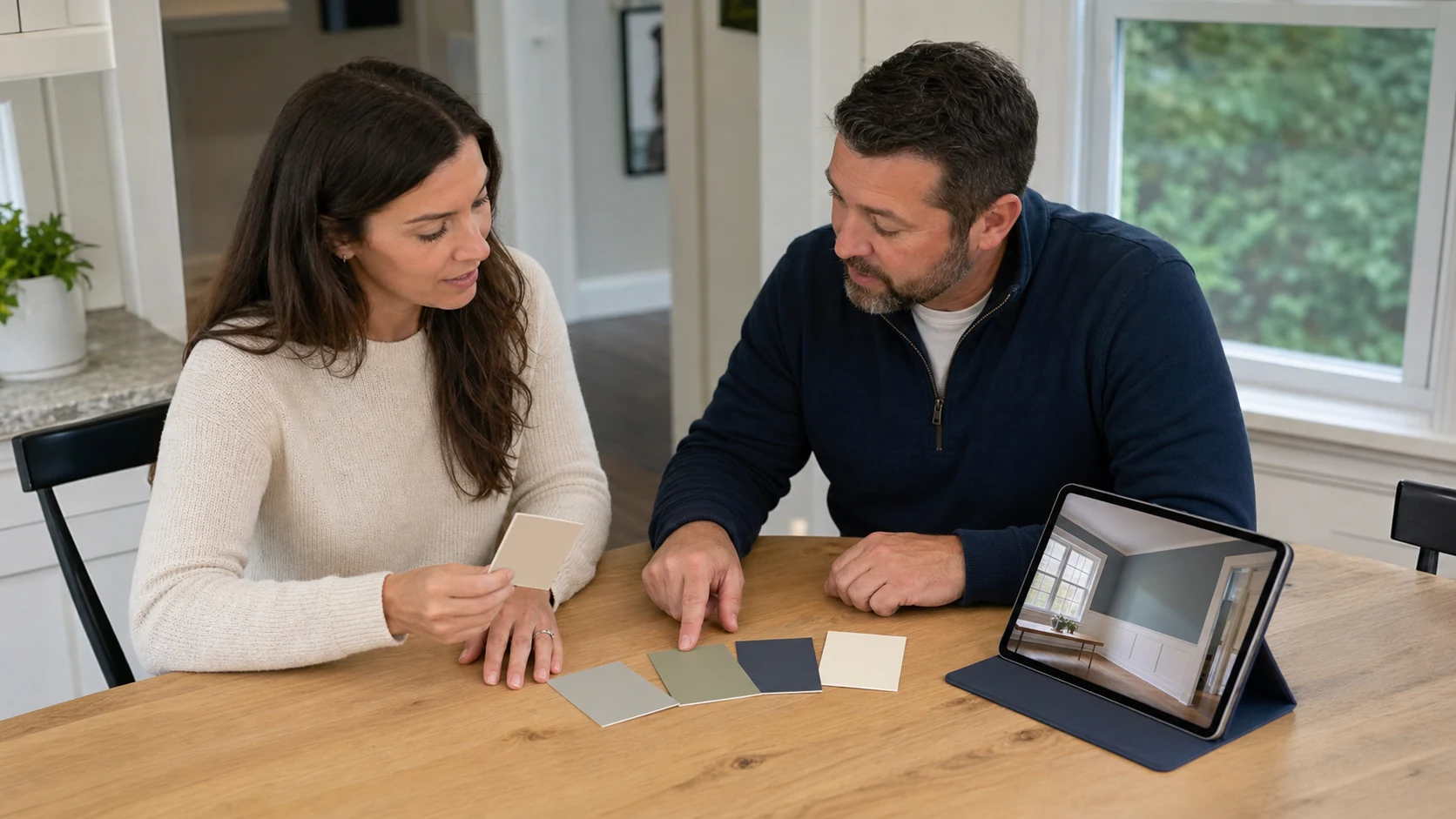
A paint color shortlist for your estimate should include the rooms or exterior surfaces, color names and codes, physical samples already reviewed and any finish questions still unresolved. We then connect those choices to surface condition, preparation and scope.
Bring With You
- The rooms or exterior surfaces involved
- Color names, codes and physical samples
We Confirm Together
- Surface condition and preparation needs
- The appropriate product and finish by surface
Your shortlist is a starting point. Final recommendations depend on the actual light, substrate and surface condition.
06 / 06 — Professional Help, Close to Home
Request a Painting Estimate for Your Home
To request a painting estimate for your home, tell LocalPRO House Painters which surfaces you want painted, where the project is located and what conditions or timing considerations you have noticed. We use those details to route the request and prepare for the walkthrough.
Request a Written Painting Estimate
We confirm the location and type of work so the request reaches the right service.
We Schedule a Walkthrough
We review the surfaces, conditions, access and color direction with you.
You Receive a Written Estimate
The estimate documents the project-specific scope and pricing.
After Approval, We Schedule the Project
We confirm timing and prepare the plan for your home.
- Written scope
- Respectful communication
- Family-led service